Shopping cart
✕
Shopping cart
✕
 Your cart is empty


Book Appointment
Book an Appointment at Elite Pet
we will contact you to schedule an appointment

Complete Guide for Cat Food in Qatar
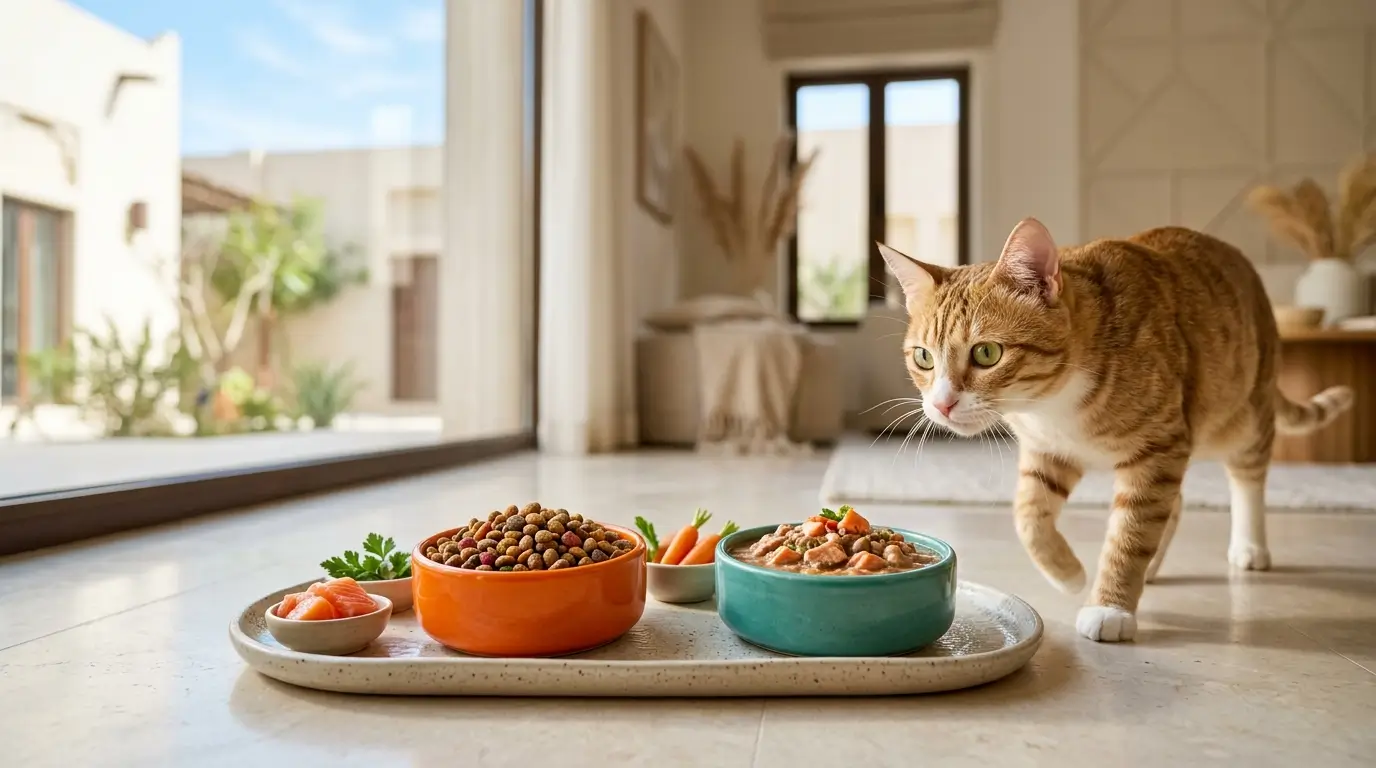
If you are a cat owner in Qatar, choosing the right food for your feline companion is essential for their health and well-being. Cats, like humans, can be affected by diet, environment, and lifestyle. With the hot climate and specific nutritional needs, understanding cat food in Qatar, suitable foods, and hydration is crucial to keeping your cat happy and active.
The Best Cat Diet for Hot Weather
Cats in Qatar face high temperatures, which makes it important to provide food that helps them stay hydrated and energized. The best diet for hot weather should include:
High-quality protein: Essential for maintaining muscles and energy.
Healthy fats: Support skin and coat health while providing concentrated energy.
Providing wet food is a great way to keep cats hydrated, while some specially formulated dry food can also help maintain nutritional balance. Remember, just like humans, cats are sensitive to heat and may feel lethargic or stressed if their diet doesn’t support their energy needs.
Cat Nutrition in Qatar
Cats require a balanced diet to thrive. Their nutritional needs include:
Proteins: From meat, poultry, or fish for strong muscles.
Fats: Provide energy and maintain healthy skin and coat.
Vitamins and minerals: Support immunity, bone health, and overall well-being.
Taurine: An essential amino acid vital for heart and eye health.
Suitable Foods for Cats
The following foods are safe and appropriate for cats:
-
Lean meats such as chicken, turkey, and fish.Cat-safe vegetables like pumpkin and peas (in small amounts).Specially formulated cat food with balanced nutrients.
-
Limited dairy if your cat can tolerate it.
Avoid feeding cats chocolate, onions, garlic, caffeine, or highly processed human foods, as these can be extremely harmful. Cats’ health is affected by what they eat, so choosing safe, nutritious foods is essential.
Chocolate is deadly for pets.
Wet Food vs Dry Food
Cat owners often face the choice between wet and dry food. Both have advantages:
-
Wet Food:
High moisture content, helping hydration.
-
Easier to digest, especially for older cats.
-
Often more palatable and flavorful.
-
-
Dry Food:
-
Supports dental health by reducing plaque buildup.
-
Convenient to store and feed.
-
Provides concentrated nutrients and energy.
-
Many experts recommend combining both types to ensure proper hydration, nutrition, and dental health.
Cats Hydration Tips
Hydration is critical for cats, particularly in hot regions like Qatar. Tips include:
Always provide fresh, clean water.
Use multiple water bowls around your home.
Incorporate wet food to naturally increase water intake.
Avoid flavored or sugary liquids that may harm cats.
Dehydration can lead to serious health issues such as kidney problems or urinary tract infections, so proper hydration is non-negotiable.
How Cats Are Affected Like Humans
Cats can experience stress, fatigue, and digestive issues just like humans if their diet or environment is poor. A balanced diet, proper hydration, and suitable food choices help maintain their mood, energy, and overall health. Observing changes in behavior, appetite, or energy can indicate nutritional deficiencies or dehydration.
How to Improve Your Cat’s Diet
Improving your cat’s diet is essential for long-term health. Here’s how:
-
Gradually switch foods: Introduce new high-quality food slowly to avoid digestive issues.
-
Monitor portion sizes: Avoid overfeeding or underfeeding by following feeding guidelines.
-
Include wet and dry food: Ensures hydration and balanced nutrition.
-
Add supplements if needed: Omega-3 fatty acids, vitamins, or probiotics after consulting your vet.
-
Provide variety: Rotate proteins and flavors to prevent picky eating and nutrient gaps.
-
Observe your cat: Regularly check weight, coat condition, and energy levels to adjust the diet as needed.
Small adjustments over time can make a big difference in your cat’s overall health and happiness.
Keeping Your Cat Healthy in Qatar
Selecting the right cat food in Qatar involves balancing nutrition, hydration, and convenience. A diet that includes high-quality proteins, healthy fats, moisture-rich food, and cat-safe foods ensures your cat stays healthy and happy even in the hot climate.
Monitoring your cat’s health, providing appropriate foods, and gradually improving their diet helps your cat live a longer, healthier life.
FAQ About Cat Food in Qatar
Q1: What is the best cat food brand available in Qatar?
A: Popular high-quality brands in Qatar include Royal Canin, Hill’s Science Diet, Purina, and locally available wet and dry foods formulated for feline health.
Q2: Can I feed my cat human food?
A: Only cat-safe foods like cooked chicken, turkey, or small amounts of vegetables. Avoid chocolate, onions, garlic, and processed foods.
Q3: How often should I feed my cat?
A: Feed adult cats 2–3 small meals per day. Kittens may require 3–4 meals for proper growth and energy.
Q4: Should I use wet food or dry food?
A: A combination of both is ideal. Wet food helps with hydration, while dry food supports dental health and provides concentrated nutrients.
Q5: How can I improve my cat’s diet in Qatar?
A: Introduce high-quality foods gradually, rotate proteins, provide a mix of wet and dry food, and monitor hydration and overall health.
Q6: How do cats get affected like humans by their diet?
A: Poor nutrition can lead to obesity, lethargy, digestive problems, or stress, just like humans. A balanced diet helps maintain energy, immunity, and mood.